


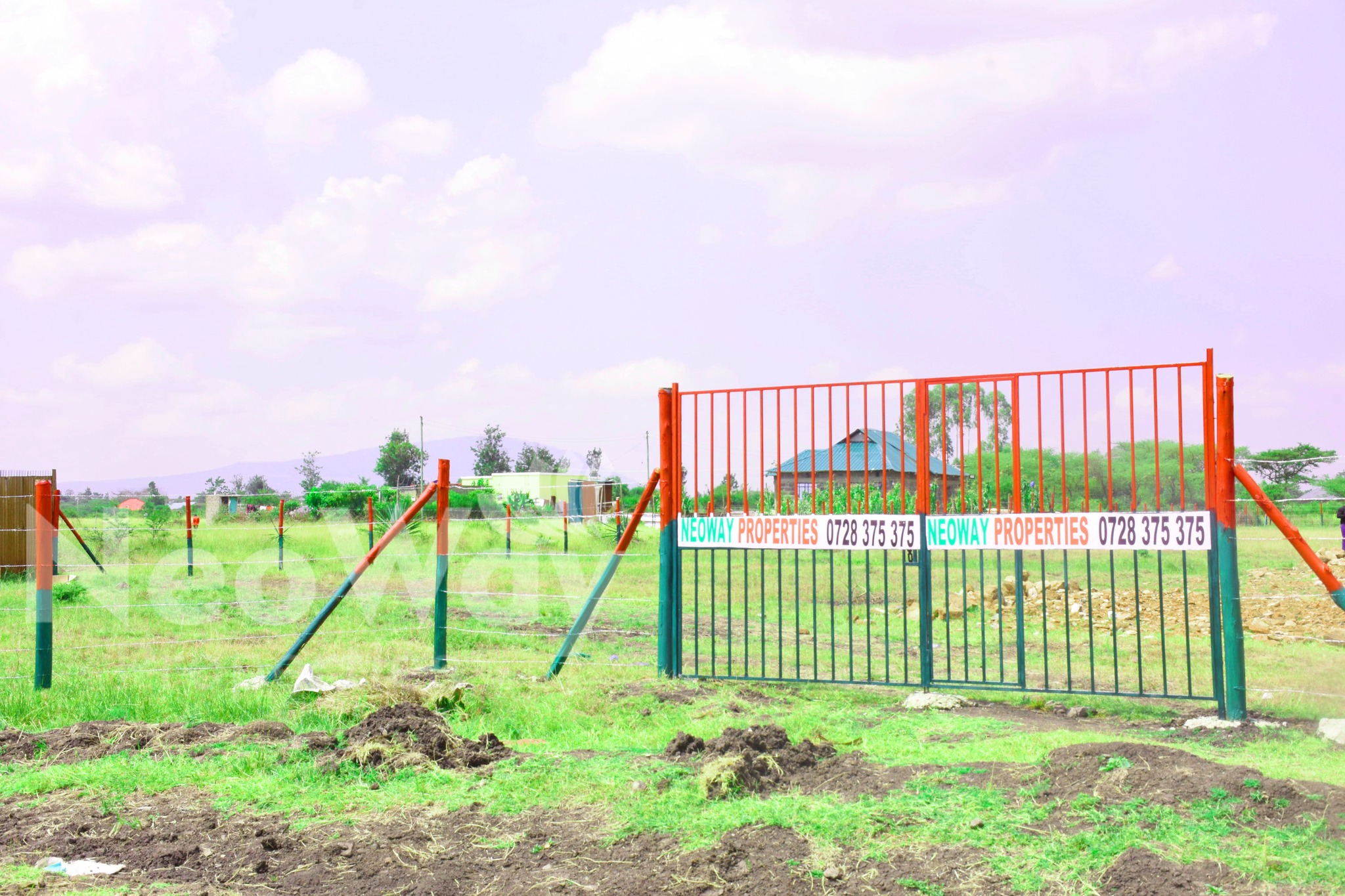
The Kenyan land market is booming, but along with rapid growth comes increased risk of scams, fraudulent sellers, and unscrupulous middlemen. Many investors and first-time buyers have lost money because they trusted the wrong seller, ignored verification, or rushed into a purchase. Knowing how to identify genuine land sellers is crucial for secure investments.
This guide provides practical, data-backed tips on spotting legitimate sellers, verifying property authenticity, and avoiding the common traps in Kenya’s land market.
Why Identifying Genuine Sellers Matters
Land scams in Kenya happen for several reasons:
- Lack of proper documentation or title deeds
- Misrepresentation of land size, location, or boundaries
- Unauthorized sellers or forged documents
- High demand in fast-growing areas making buyers impatient
Investing with a genuine seller ensures your money is safe, your property is legally secure, and your investment can appreciate without dispute.
1. Verify Title Deeds Thoroughly
A genuine seller must provide a valid and verified title deed. Many scams occur when buyers accept photocopies, unofficial documents, or incomplete ownership papers.
Steps to Verify
- Conduct a land search at the Ministry of Lands
- Check the name of the registered owner
- Ensure the title is free from encumbrances or disputes
- Consult a lawyer or real estate professional for verification
Without proper verification, the property may be claimed by someone else later, causing financial and legal headaches.
2. Assess the Seller’s Reputation
Legitimate sellers often have a verifiable history of successful transactions or a reputable presence in the market. Avoid sellers with little or no track record, online-only interactions, or pressure tactics.
How to Check Reputation
- Search for online reviews or testimonials
- Ask for references from previous buyers
- Check social media presence or business registration
- Work with licensed real estate agents or developers
A trustworthy seller will be transparent, responsive, and professional.
3. Inspect the Land Personally
Fraudulent sellers often misrepresent land size, location, or boundaries. Visiting the land personally helps confirm:
- Accurate plot size and measurements
- Accessible roads or entry points
- Real condition of the land (flat, hilly, swampy, etc.)
- Proximity to amenities or infrastructure
Never rely solely on photos or verbal descriptions. A physical inspection prevents costly surprises.
4. Avoid Deals That Are Too Good to Be True
Scammers often lure buyers with extremely low prices, promises of instant returns, or “exclusive” deals in prime locations. While affordability is important, extremely low-priced land is often a red flag.
Tips
- Compare the asking price with market averages
- Check recent sales in the area
- Consult multiple agents for realistic pricing
- Be cautious with sellers who pressure for immediate payment
If it sounds too good to be true, it probably is.
5. Work With Licensed Real Estate Professionals
One of the safest ways to avoid scams is using licensed real estate agents, developers, or companies. They have verified listings, understand legal procedures, and provide guidance for safe transactions.
Benefits
- Access to legally verified plots
- Assistance with title deed verification and surveys
- Guidance on payment plans and contracts
- Protection from fraudulent sellers
Trusted professionals act as intermediaries, reducing the risk of fraud and ensuring smoother transactions.
6. Understand Legal Processes and Documentation
Even with a verified seller, buyers must understand legal steps:
- Signing official sale agreements
- Completing transfer forms
- Paying stamp duty and registration fees
- Recording ownership at local land registry
Proper legal procedures safeguard your investment and confirm ownership rights.
Red Flags of Fraudulent Sellers
- Pressure to pay upfront without documentation
- Refusal to provide title deeds or land search reports
- Lack of clear property boundaries
- Promises of unusually high returns in a short time
- No physical presence or vague location details
Recognizing these red flags early saves time, money, and stress.
Conclusion: How to Buy Land Safely in Kenya
Genuine land sellers exist, but finding them requires diligence, research, and caution. Verify ownership, inspect plots, compare market prices, avoid unrealistic deals, and work with licensed professionals. By following these steps, investors secure land that is legally safe, appreciating, and profitable over time.
Investing in genuine land today ensures your property is a long-term asset and a foundation for wealth creation in Kenya’s rapidly growing market.

