

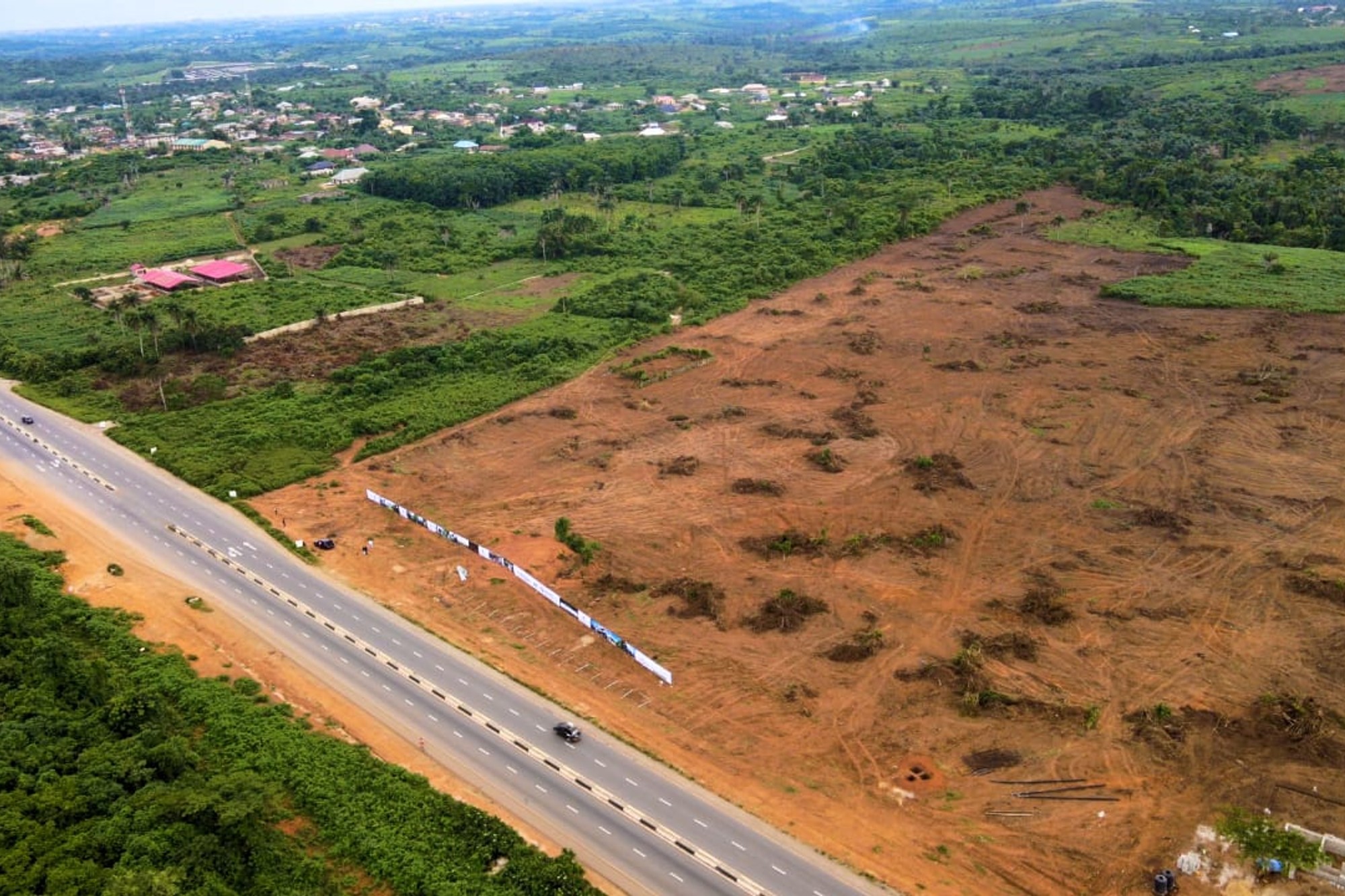
5 Mistakes Kenyans Make When Buying Land — Number 4 Is the Most Costly
Buying land in Kenya can be one of the most rewarding investments, but it can also be risky if you make avoidable mistakes. Many first-time buyers, and even experienced investors, often fall into the same traps, which can lead to financial loss, legal disputes, or missed opportunities. Understanding these common errors is crucial for anyone looking to secure land that appreciates over time and is legally safe.
This guide highlights the five most common mistakes Kenyans make when buying land, with practical advice on how to avoid them and make informed investment decisions.
1. Failing to Verify Land Ownership
One of the biggest risks when buying land in Kenya is purchasing property with unclear or disputed ownership. Many buyers assume the seller has legitimate documents without conducting proper verification.
How to Avoid This Mistake
- Conduct a land search at the Ministry of Lands to confirm the owner.
- Check for any encumbrances or disputes on the title deed.
- Hire a reputable lawyer to verify authenticity and guide you through the transfer process.
Why It Matters: Buying land without proper verification can result in legal battles, financial loss, or even eviction if the sale turns out to be fraudulent.
2. Ignoring the Location and Growth Potential
Many buyers focus solely on affordability and overlook the importance of location. Cheap land in a stagnant area may not appreciate much over time, whereas moderately priced land in a high-growth zone can yield significant returns.
Factors to Consider
- Proximity to major roads, highways, and transport corridors
- Nearby schools, hospitals, and commercial centers
- Planned urban development or infrastructure projects
- Growth trends in surrounding satellite towns
Tip: Invest in areas showing consistent infrastructure growth and rising demand, like Juja, Ruiru, Kitengela, and Kamulu.
3. Underestimating Additional Costs
The price of land is just one part of the total investment. Many buyers fail to budget for associated costs, which can be substantial.
Additional Costs to Plan For
- Legal fees for verification and transfer
- Stamp duty (usually 2% – 4% of land value)
- Survey fees for proper measurements
- Valuation fees for bank loans or resale
- Utility connections like water and electricity
Why This Mistake Is Costly: Without factoring in these costs, buyers may end up underfunded and unable to complete the purchase or develop the land as planned.
4. Skipping Proper Due Diligence (The Most Costly Mistake)
This is the number one mistake that causes the largest losses. Many buyers rely on trust alone or make decisions based on hearsay. This includes failing to inspect the land, verify zoning, check for pending disputes, or confirm the legitimacy of sellers.
How to Conduct Due Diligence
- Visit the property in person before committing
- Confirm boundaries and survey markers
- Check for planning permissions or restrictions
- Consult local authorities for any pending legal issues
- Ensure the land matches the seller’s claims
Impact: Skipping due diligence can lead to buying land with ownership disputes, illegal zoning, or restricted use, costing far more than the land itself.
5. Falling for Unrealistic Promises and Deals
Some buyers are tempted by “too good to be true” offers, such as extremely cheap land in prime locations or quick-profit schemes. Scammers often target uninformed investors.
Red Flags to Watch Out For
- Land sold far below market value
- Pressure to pay upfront without contracts
- Sellers unwilling to provide title deeds or verification documents
- Promises of guaranteed high returns in a very short time
Advice: Always verify the legitimacy of the seller, compare market prices, and avoid rushed decisions.
Tips to Buy Land Safely and Smartly
- Work with reputable real estate companies with verified listings
- Prioritize areas with rising demand and infrastructure growth
- Take advantage of installment or flexible payment plans
- Verify ownership, boundaries, and encumbrances before purchase
- Factor in all additional costs to avoid surprises
The Importance of Being Informed
Land in Kenya is one of the most secure and appreciating assets, but only if you approach the market intelligently. Avoiding these mistakes ensures that your investment is legally safe, strategically located, and financially sound. Buyers who take time to verify, inspect, and plan are more likely to enjoy steady appreciation, secure ownership, and profitable development opportunities.
Strategic Insights for Safe Land Buying in Kenya
Investing in land is more than paying the asking price. It’s about understanding location dynamics, legal processes, development trends, and market realities. Avoiding these five common mistakes—and especially conducting proper due diligence—positions you to make smart, profitable, and safe land purchases in Kenya’s fast-growing real estate market.

